RECIPES – Bridging the precautionary principle and sustainable innovation
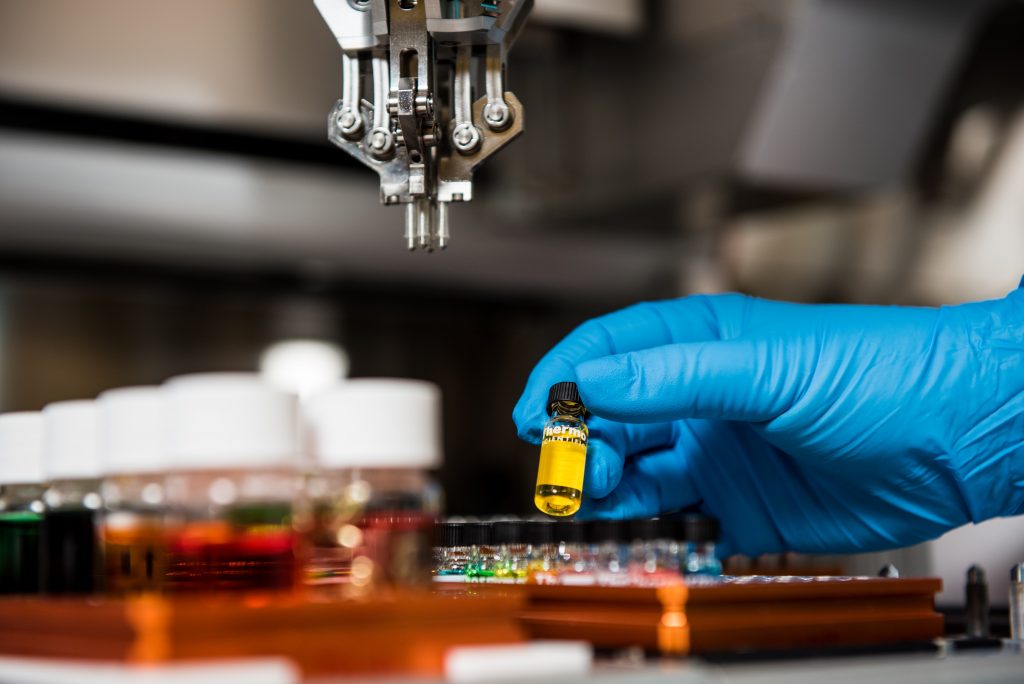
In RECIPES, the relationship between precaution and innovation has been explored to guide policymakers and regulators facing uncertainty.
The development of GMOs, nanotechnology and neonicotinoid insecticides presents opportunities for humans and the environment, but it can also carry risks to human, animal or plant health. Decisions on their promotion or regulation are often to be taken in situations of uncertainty about these risks. But how do we make sound decisions in situations of scientific uncertainty? How do we decide on new or emerging technologies? In such situations, the precautionary principle guides decision-makers faced with unacceptable risks, scientific uncertainty, and public concerns. As a general principle of EU law, it allows decision-makers to act despite scientific uncertainty. As the principle is also criticised for hindering technologic innovation, some stakeholders have developed an innovation principle, stressing the importance of taking into account also potential impacts on innovation. At the same time, others have criticised the current application of the precautionary principle from being too slow and too rare. The RECIPES project aims to reconcile innovation and precaution by developing tools and guidelines to ensure the precautionary principle is applied while still encouraging innovation.
The Danish Board of Technology is responsible for the actor and citizen participation and co-creation activities of this project. Furthermore, the Danish Board of Technology will participate in a larger study of how the precautionary principle is implemented in Europe and how the general perception of its uses have changed since 2000 to the present.
Project Partners:
RECIPES is implemented by a consortium consisting of 11 experienced partner organisations with a multidisciplinary background, from seven different countries.
- Maastricht University, The Netherlands
- Bergen University, Norway
- DIALOGIK, Germany
- Knowledge and Innovation (K&I), Italy
- Humboldt-Universität zu Berlin (UBER), Germany
- Rathenau Instituut – KNAW, The Netherlands
- Fonden Teknologirådet, Denmark
- Applied Research and Communications Fund (ARC), Bulgaria
- Institute for Advanced Sustainability Studies Potsdam (IASS), Germany
- Ecologic Institut, Germany
- Institute of Technology Assessment of the Austrian Academy of Sciences (OEAW), Austria
Contacts

-
- Reports
- Articles
Media coverage and public debate on the precautionary principle and the ‘innovation principle’
-
- Reports
- Articles
Five European citizens meetings
-
- Reports
Citizens’ values and opinions in relation to Precaution and Innovation
-
- Reports
Precaution and innovation: Exploring collaboratively a significant relationship
-
- Reports
WP1 Report: Taking stock as a basis for the effect of the precautionary principle since 2000
-
- Reports
Digital Workshop on Aligning Precaution and Innovation
-
- Reports
Digital Workshop on Reconciling Precaution and Innovation
-
- Reports
Workshop on Reconciling Precaution and Innovation